
Press Release | 9 July 2026
On 17–18 June 2026, the Horizon Europe projects Data4Food2030 and TITAN came together at SPARKS in Brussels for a flagship conference dedicated to the future of sustainable supply chains and a fair data economy for better food systems.
Under the theme “Innovations to Build Sustainable Supply Chains in a Fair Data Economy for a Better Food System”, the two-day event brought together researchers, policymakers, innovators, SMEs, startups, industry representatives, investors, students and food-system stakeholders from across Europe and beyond. As both projects approach their final phase, the conference provided an important space to share results, reflect on lessons learned, and explore how data-driven innovation can move from research outputs to real-world impact.
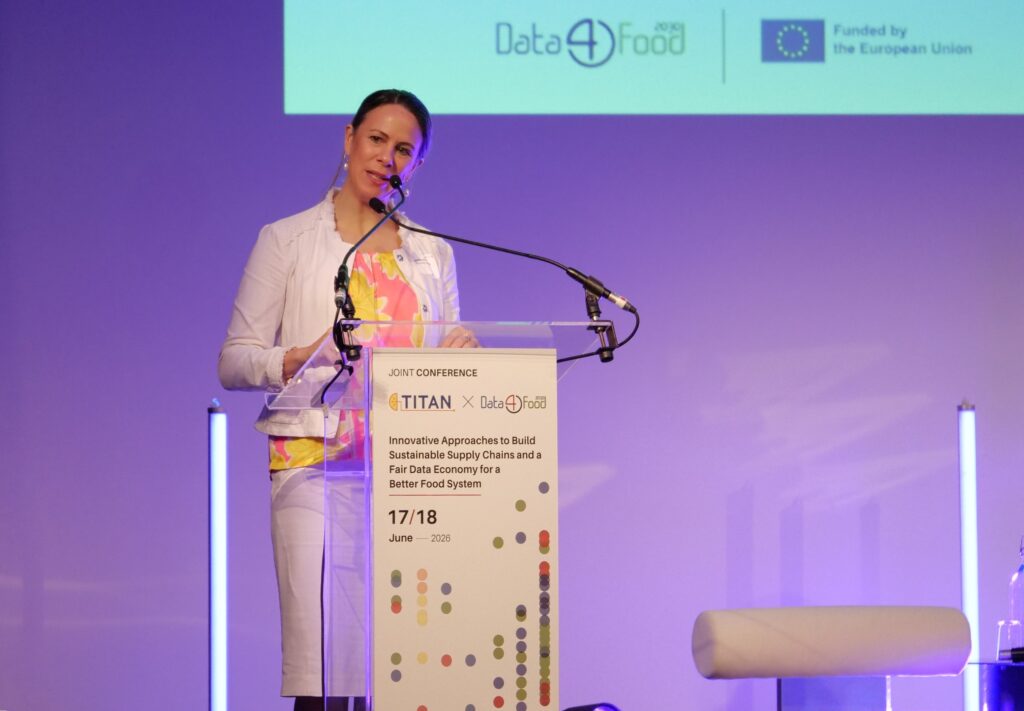
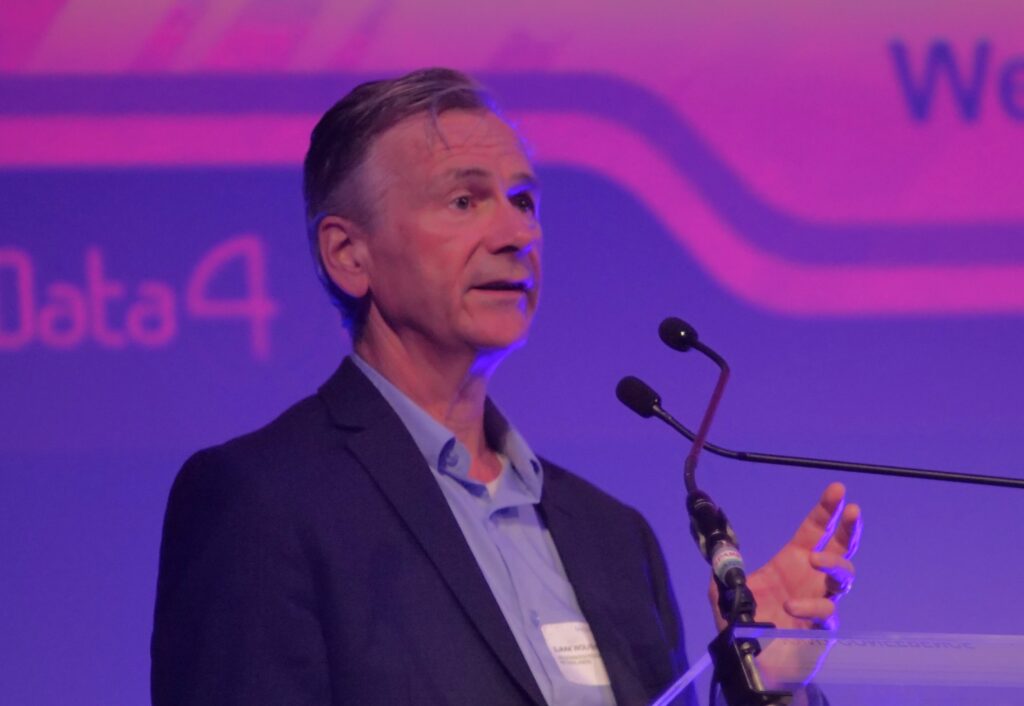
Across keynote speeches, thematic sessions, workshops, panel discussions, poster presentations, innovation pitches, networking activities, the exhibition area and the SME Marketplace, participants examined how data, digital technologies and collaborative governance can support more transparent, resilient and sustainable food systems.
The programme focused on four key thematic areas:
The conference opened a dialogue on some of the most pressing questions facing Europe’s food systems today: how to build trust in data sharing, how to ensure transparency across supply chains, how to support SMEs and farmers in the digital transition, and how to make the emerging data economy fair, inclusive and useful for society.
Leading voices from research, policy, industry and international organisations helped shape these discussions, including Roberta Sonnino from the University of Surrey, Wim Haentjens from the European Commission’s DG Research & Innovation, Henry van Burgsteden from the Food and Agriculture Organization of the United Nations, Louise Dye from the University of Sheffield and François Bourdichon from SODIAAL.
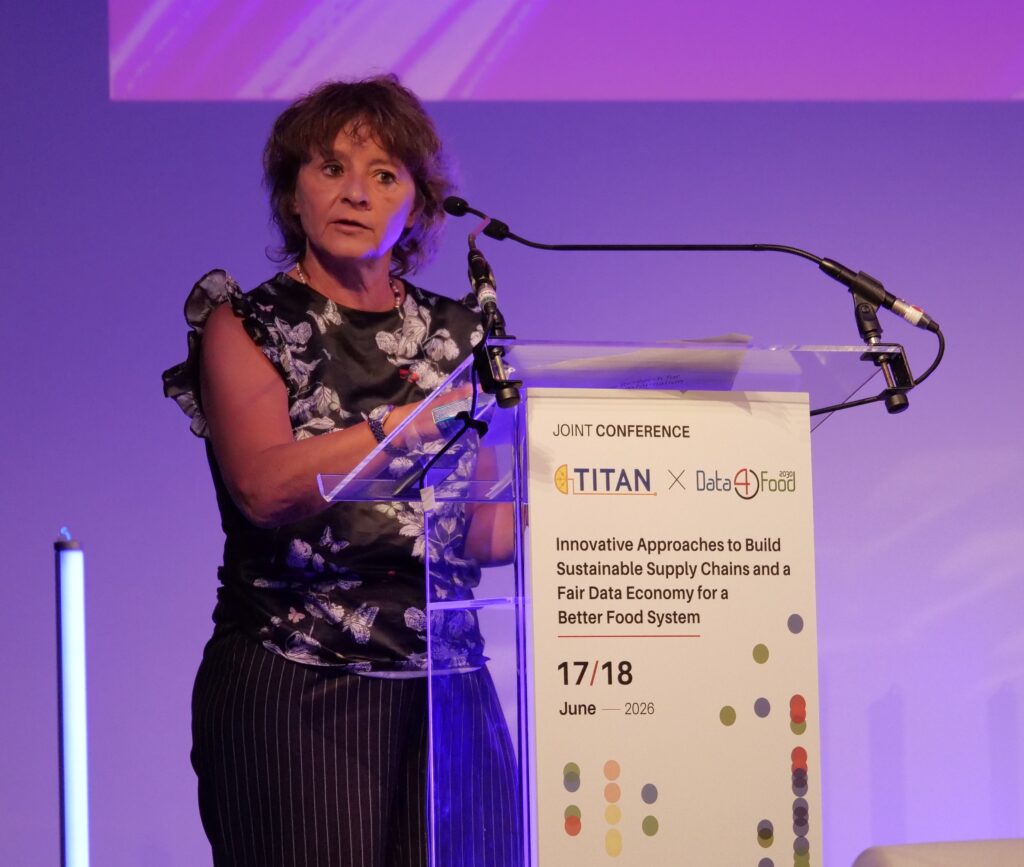
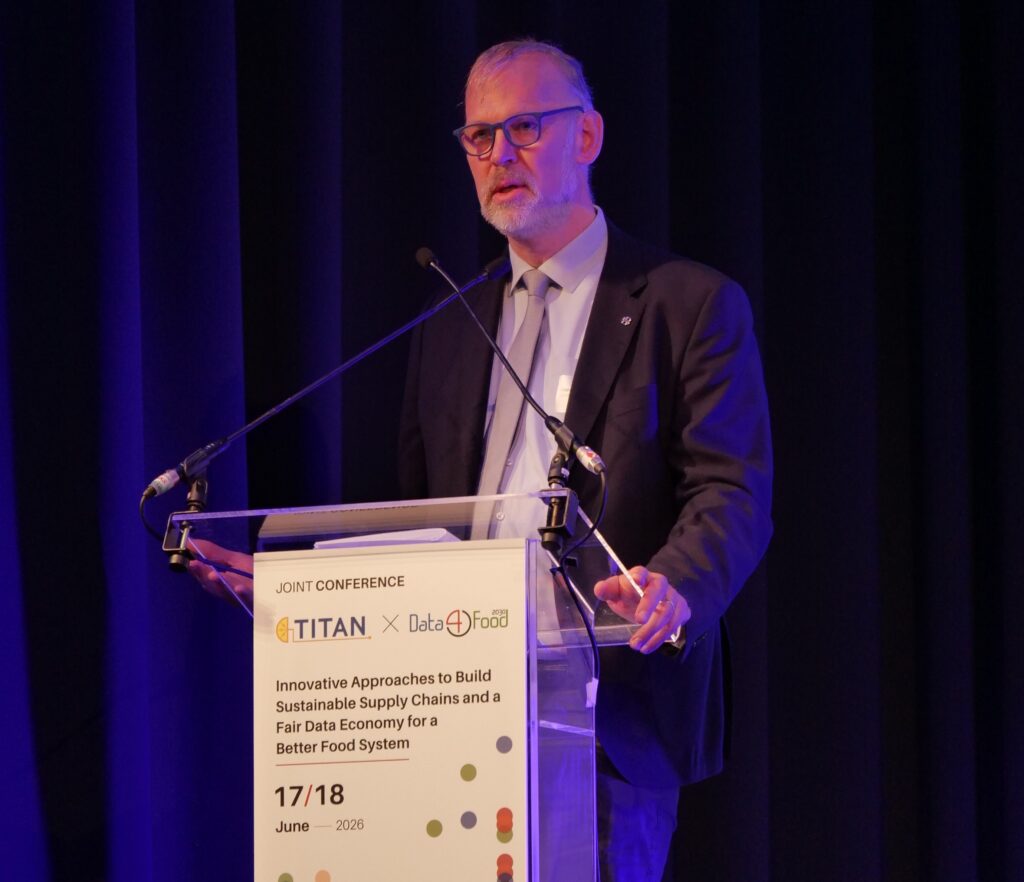
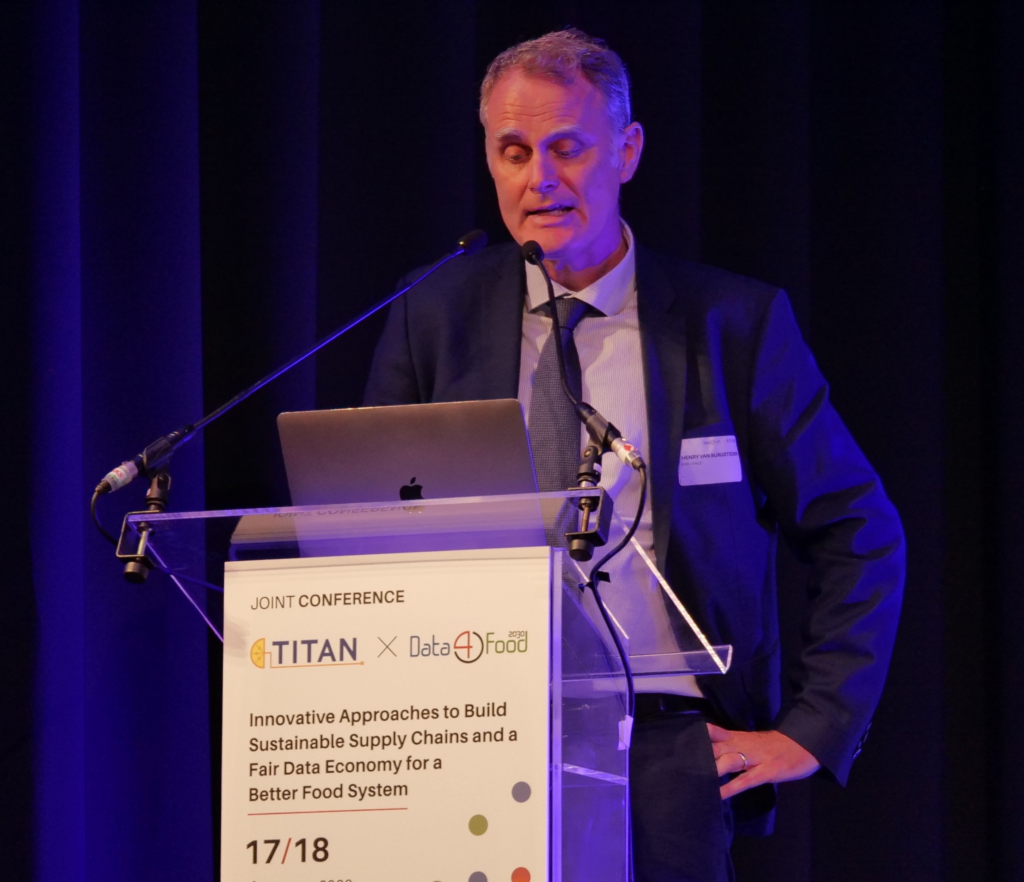
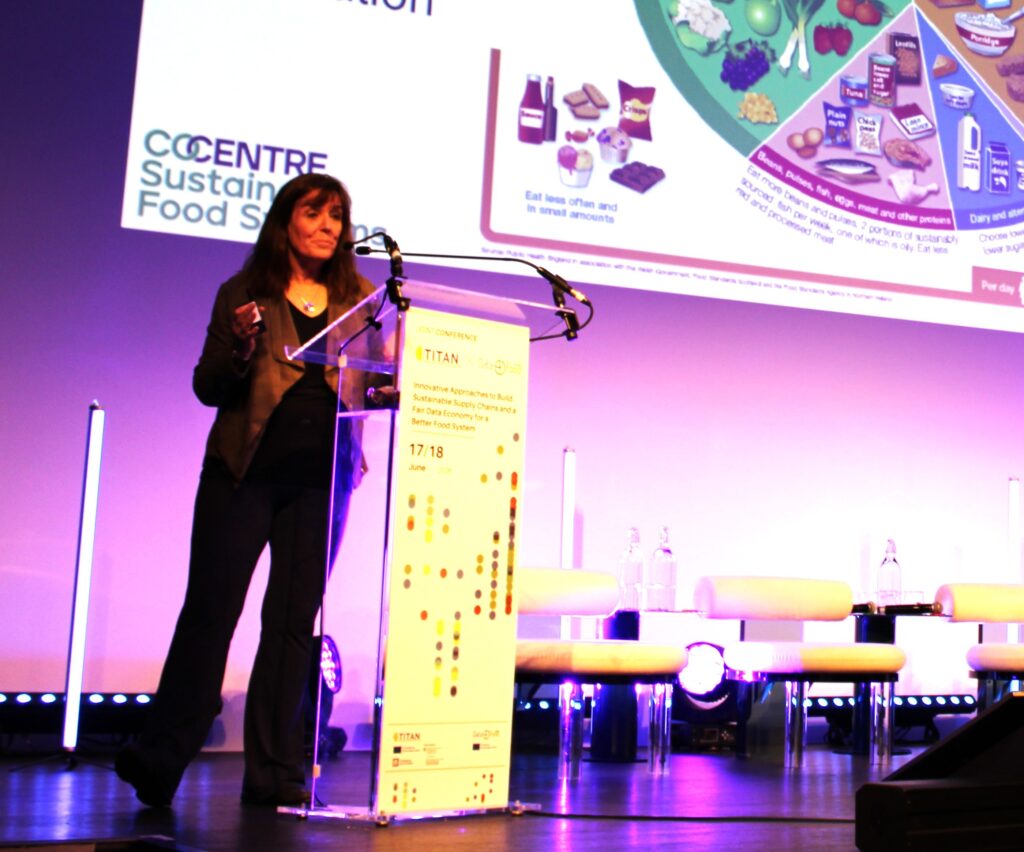
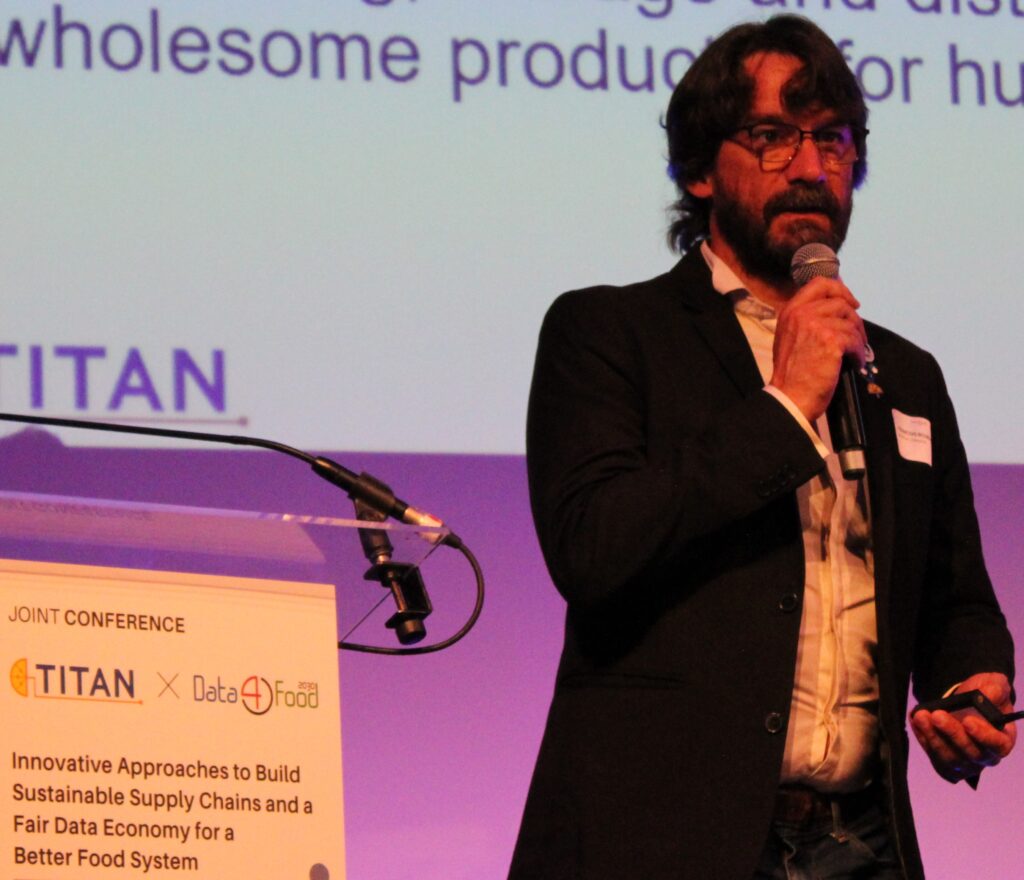
A key focus of the conference was the transition from project results to future pathways. Data4Food2030 presented insights into the Data Economy for Food Systems, including work on data spaces, stakeholder engagement, future scenarios, case studies, monitoring activities and the roadmap towards a fair, inclusive and innovative data economy for sustainable food systems. TITAN contributed its expertise on transparency, traceability, food safety, authenticity and the role of digital technologies in strengthening trust across food value chains.
The event also highlighted the importance of collaboration between science, policy, industry and innovation actors. Discussions throughout the two days showed that data is not only a technical asset, but also a foundation for trust, accountability, sustainability and better decision-making across the food system.
The conference also celebrated outstanding contributions through awards recognising early-career researchers and SMEs:
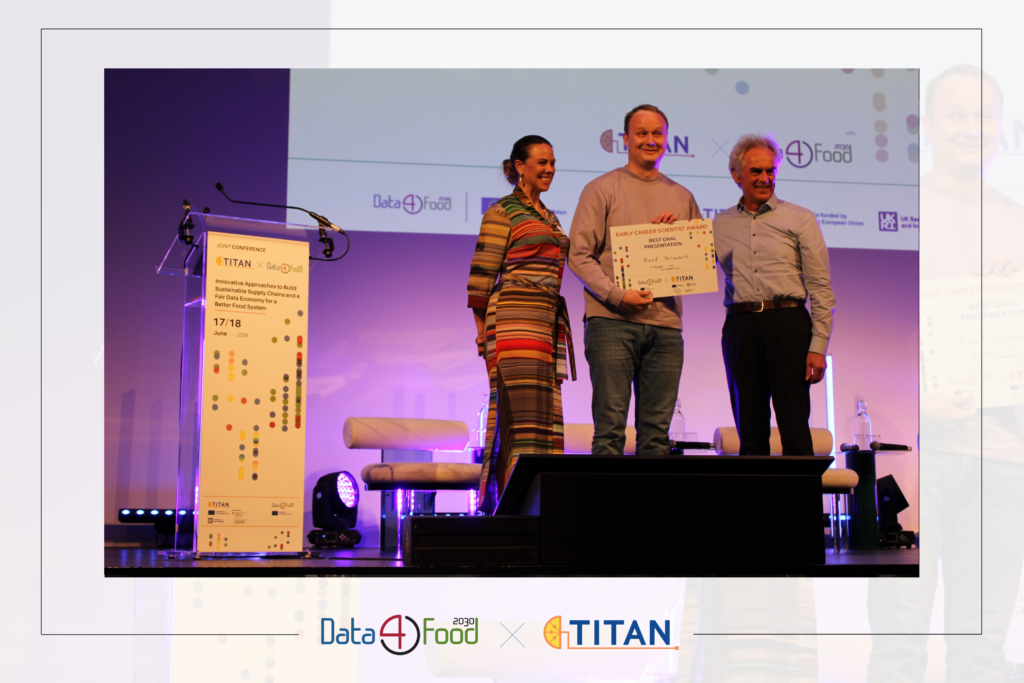
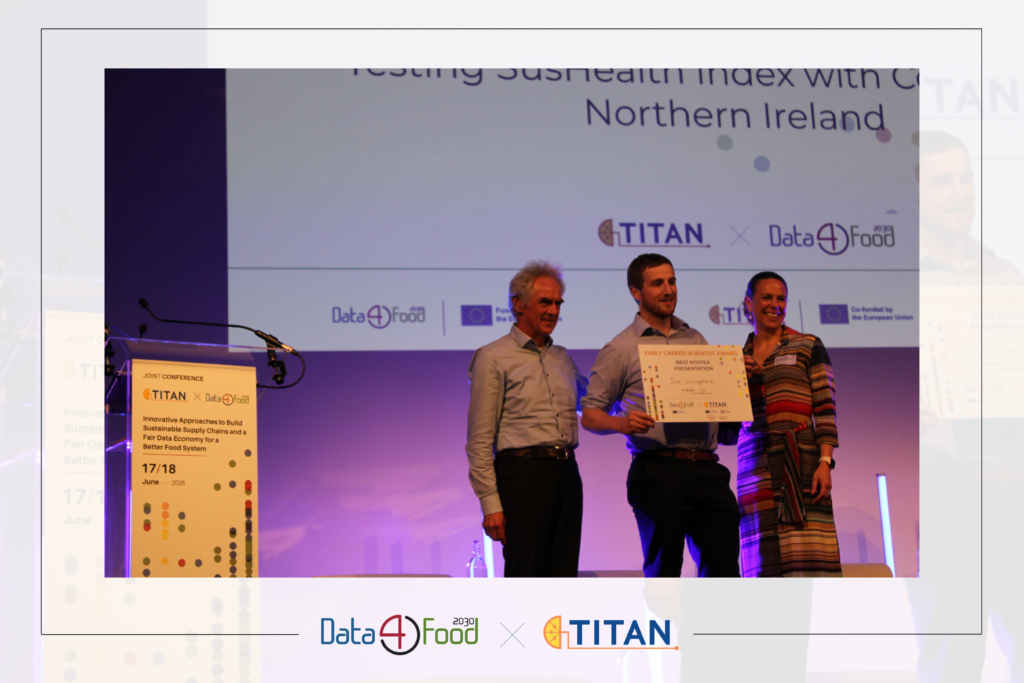
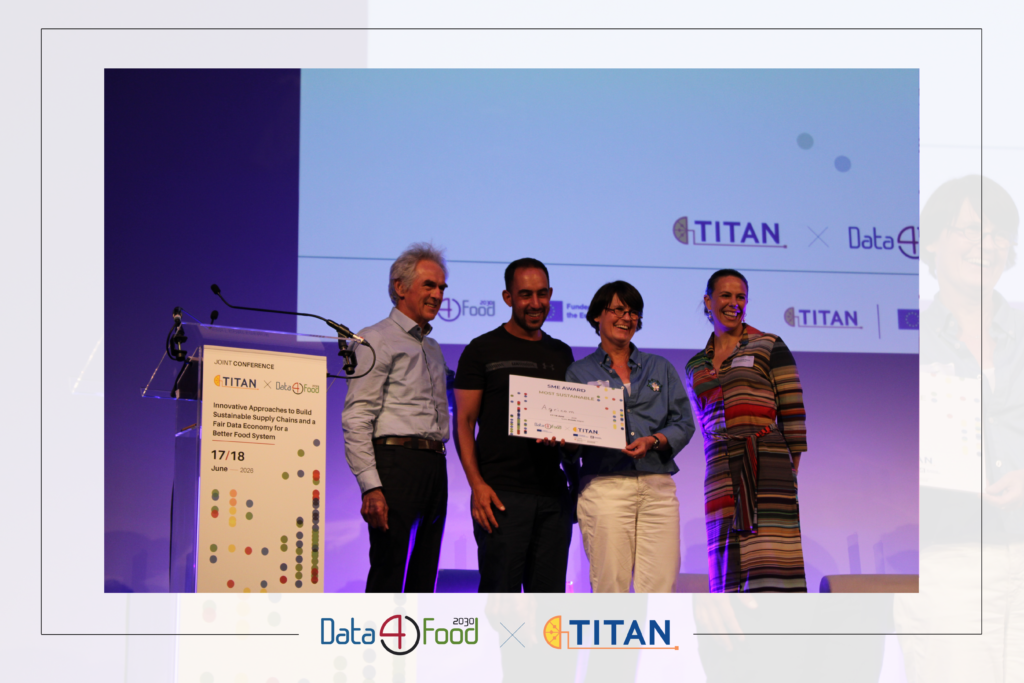
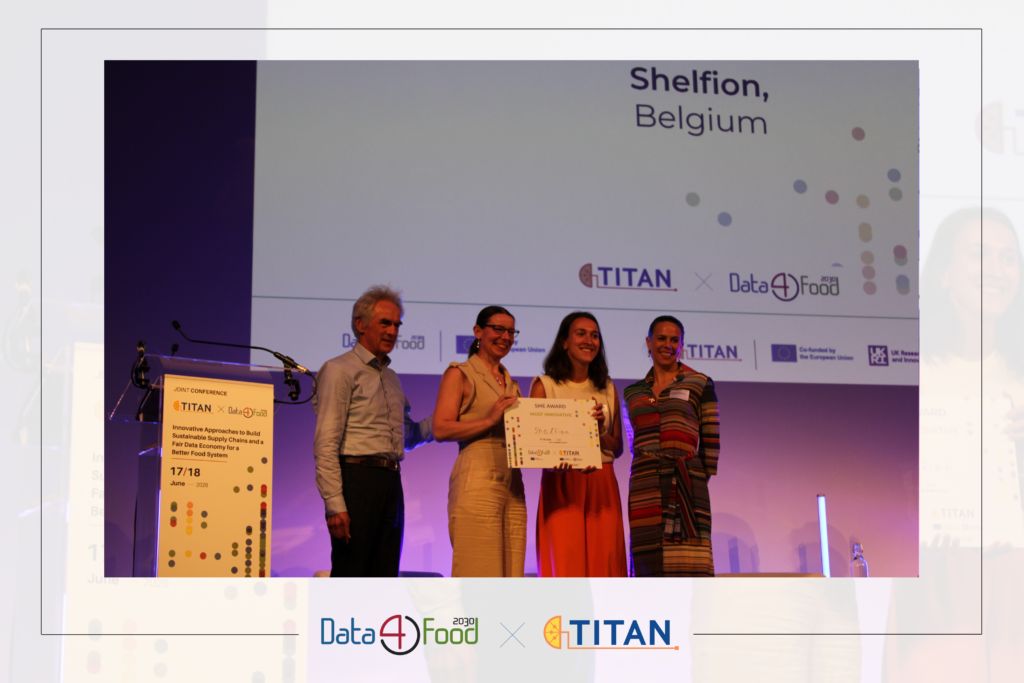
These awards reflected the conference’s broader ambition: to showcase emerging talent, recognise practical innovation, and support solutions that can contribute to more sustainable and transparent food systems.
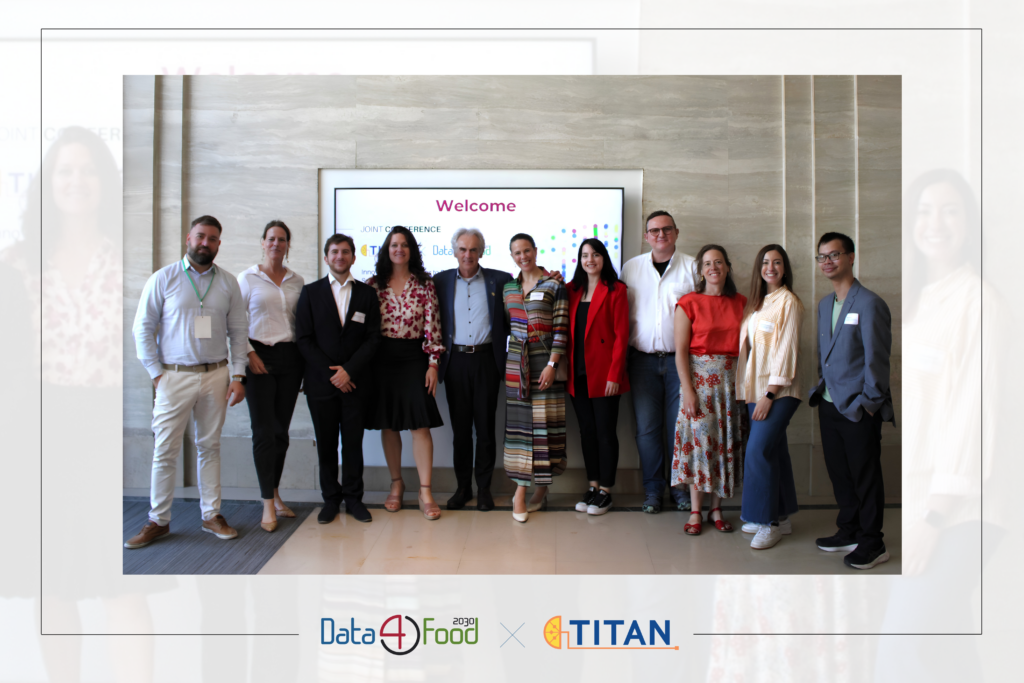
The Data4Food2030 x TITAN Conference also served as a meeting point for new partnerships. At the exhibition area, poster sessions, workshops, presentations and informal exchanges, participants connected across disciplines and sectors, creating opportunities for future cooperation beyond the lifetime of the two projects.
The organising committee and project partners played a central role in creating a platform that not only showcased project results, but also fostered dialogue, collaboration and new opportunities for future action.
As the conference came to a close, one message was clear: the future of food systems will depend not only on technological innovation, but also on trust, fairness, interoperability and the ability to work together across sectors. The final applause marked not an ending, but a signal to continue building the partnerships, tools and governance approaches needed for a more sustainable food future.
| Cookie | Duration | Description |
|---|---|---|
| cookielawinfo-checkbox-advertisement | 1 year | Set by the GDPR Cookie Consent plugin, this cookie is used to record the user consent for the cookies in the "Advertisement" category . |
| cookielawinfo-checkbox-analytics | 11 months | This cookie is set by GDPR Cookie Consent plugin. The cookie is used to store the user consent for the cookies in the category "Analytics". |
| cookielawinfo-checkbox-functional | 11 months | The cookie is set by GDPR cookie consent to record the user consent for the cookies in the category "Functional". |
| cookielawinfo-checkbox-necessary | 11 months | This cookie is set by GDPR Cookie Consent plugin. The cookies is used to store the user consent for the cookies in the category "Necessary". |
| cookielawinfo-checkbox-others | 11 months | This cookie is set by GDPR Cookie Consent plugin. The cookie is used to store the user consent for the cookies in the category "Other. |
| cookielawinfo-checkbox-performance | 11 months | This cookie is set by GDPR Cookie Consent plugin. The cookie is used to store the user consent for the cookies in the category "Performance". |
| CookieLawInfoConsent | 1 year | CookieYes sets this cookie to store the user consent. |
| elementor | never | This cookie is used by the website's WordPress theme. It allows the website owner to implement or change the website's content in real-time. |
| PHPSESSID | session | This cookie is native to PHP applications. The cookie is used to store and identify a users' unique session ID for the purpose of managing user session on the website. The cookie is a session cookies and is deleted when all the browser windows are closed. |
| viewed_cookie_policy | 11 months | The cookie is set by the GDPR Cookie Consent plugin and is used to store whether or not user has consented to the use of cookies. It does not store any personal data. |
| Cookie | Duration | Description |
|---|---|---|
| _ga | 1 year 1 month 4 days | The _ga cookie, installed by Google Analytics, calculates visitor, session and campaign data and also keeps track of site usage for the site's analytics report. The cookie stores information anonymously and assigns a randomly generated number to recognize unique visitors. |
| _ga_* | 1 year 1 month 4 days | Google Analytics sets this cookie to store and count page views. |
